
Building a Community of Practice
As the Facilitator and Host for the MACBIS and MAC-ES Community Engagement teams, I lead the ongoing design and execution of monthly HCD Gatherings using Mural, FigJam, and Google Slides.
Our team, called MACBIS (Medicaid and CHIP Enterprise Services) HCDU Team, recognized that designers and researchers were frequently reinventing the wheel—struggling for months to solve data visualization or comparative analysis challenges that had already been mastered by colleagues just a few "digital doors" away. This fragmentation resulted in more than just wasted resources; it created a lack of community support during high-pressure federal deadlines and led to inconsistent human-centred processes.
The Goal: To transform the MACBIS community from a collection of isolated silos into a unified "Community of Practice" where HCD knowledge-sharing was the default, not the exception.
How do you build a community for people who are used to working in silos?
The Challenge
Research
Step 1: Listening for more than just "Status Updates". I started by treating our monthly team check-ins like a treasure hunt. Looking for the frustrations that everyone was having but no one was officially reporting. Outside of the different team project updates, it was curious how folks solved challenges or didn't.
Step 2: Finding the Experts. Pretty quickly, I started seeing these patterns. One team would be pulling their hair out over a data visualization tool, while another team just three "digital doors" down had already mastered it. I realized my real job wasn't just to design—it was to act as a matchmaker. I started identifying who had the "secret sauce" and who was still struggling to find the ingredients.
Step 3: Making it safe to say, I’m stuck. The hardest part was getting people to talk. In a big government office, everyone wants to lead with their highlight reel. I had to pivot the culture. I worked on creating a space where it was totally fine (and even celebrated) to share your "fails" and workarounds. By making it safe to be human, I cleared the path for everyone to actually start learning from each other.
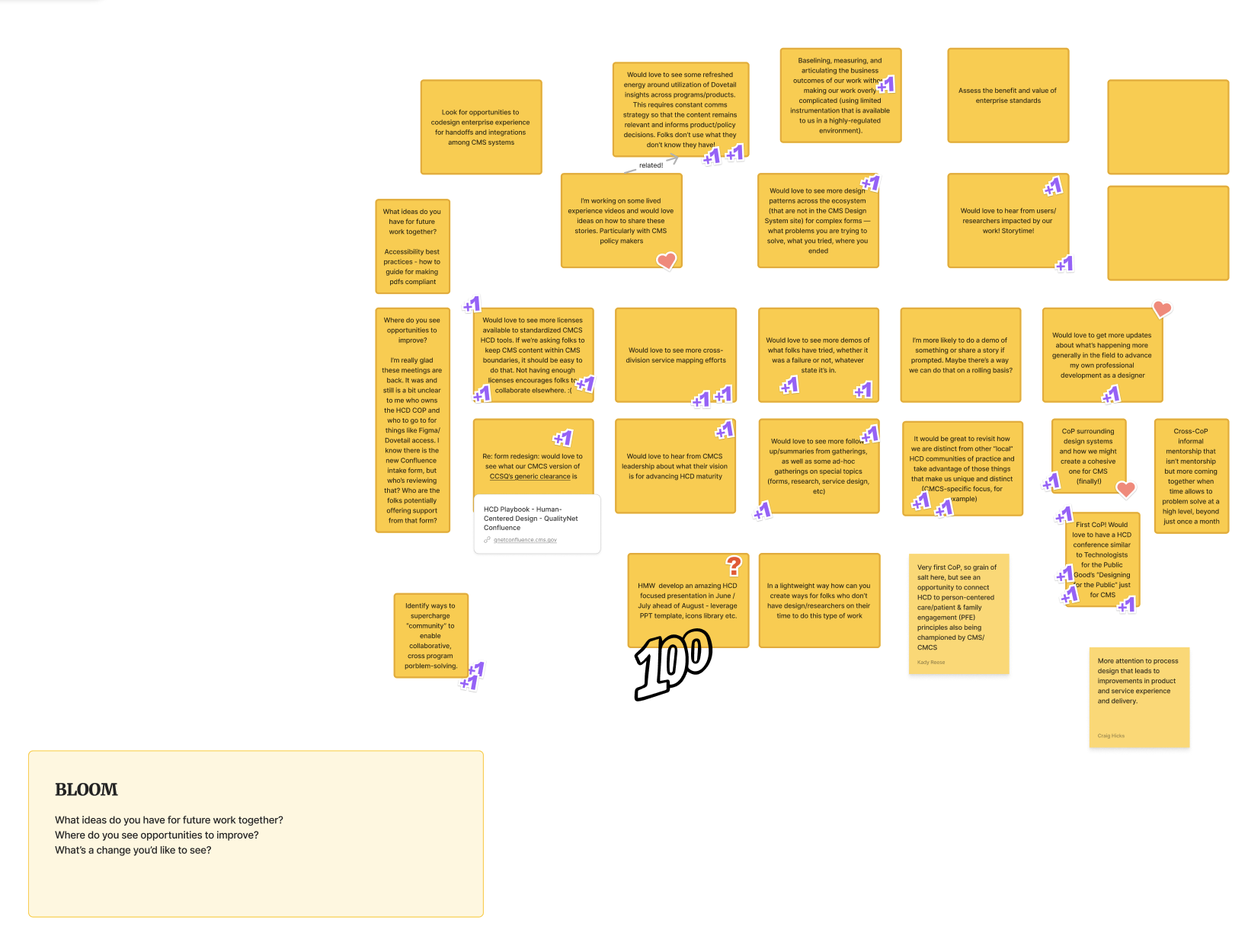
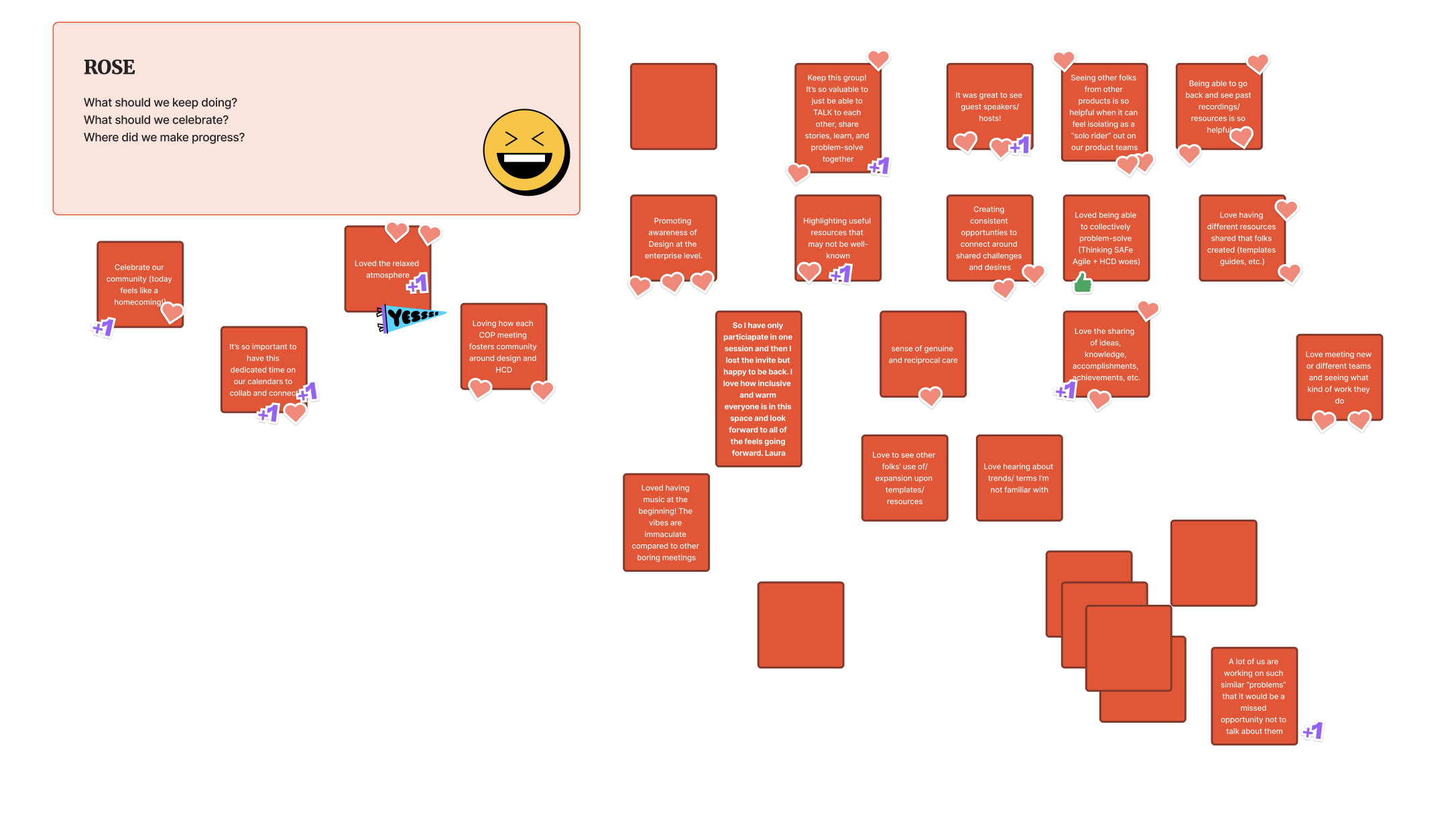
I architected and hosted a monthly HCD Gathering that turned into the organizational heartbeat for design education at MACBIS. Instead of just picking random topics, I curated our themes based on the red flags I heard during team check-ins.
I brought in guest speakers and ran activities to teach different HCD practices and how they can apply to the work we do at MACBIS.
We used these sessions as a unification strategy—shouting out wins so that if one team finally cracked the code on something like nursing home data, the teams currently stuck on that same problem were right there in the room to hear how they did it.
By championing open discussion over dry lectures, I turned these gatherings into real-time problem-solving hubs that broke down silos across MACBIS.
Ideation and Execution
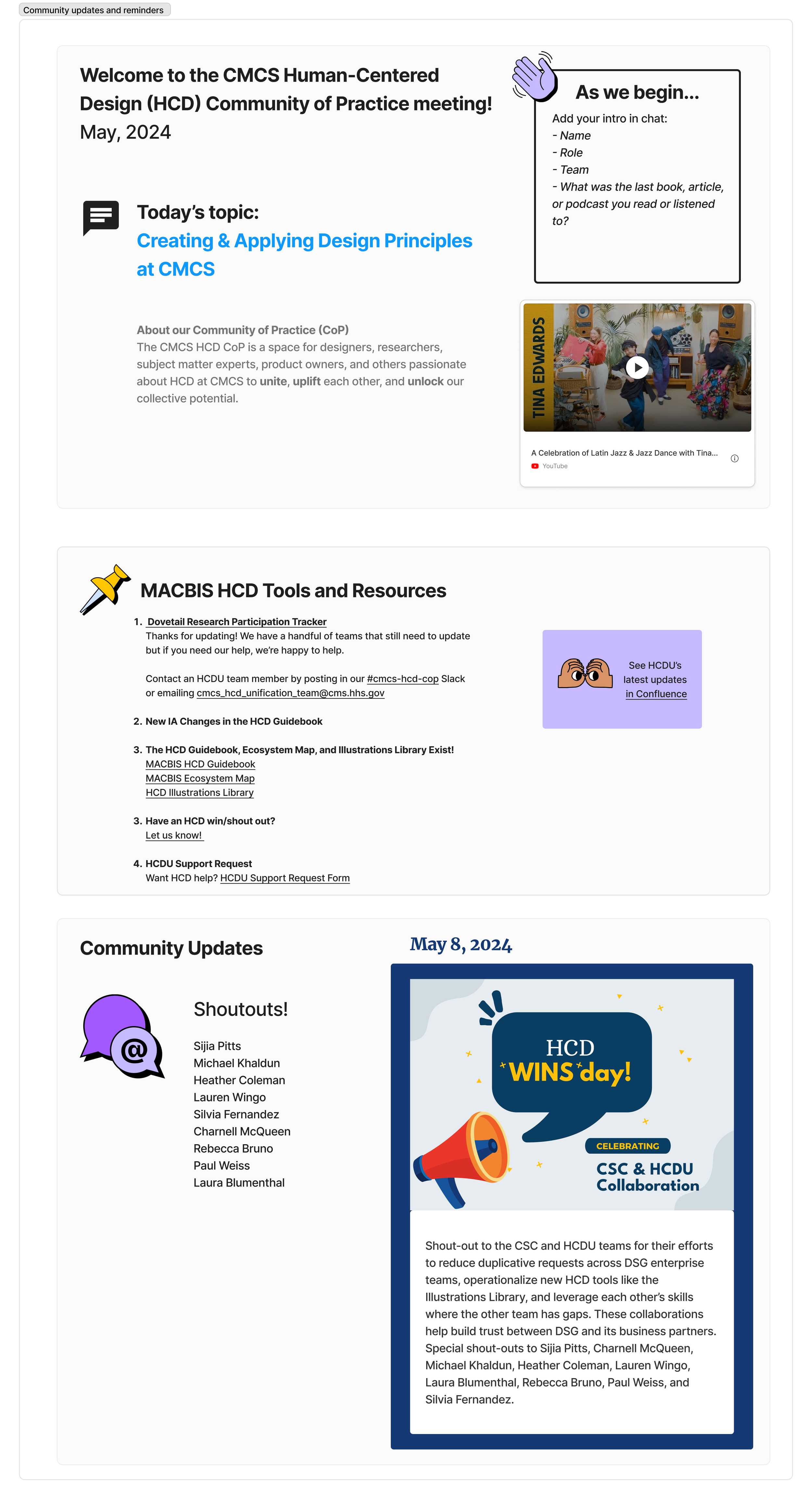
Acting as the "connective tissue" across the Medicaid and CHIP organizations taught me that my job isn't just about what's on the screen—it's about the people behind it. By transforming isolated departmental insights into a unified Community of Practice, I’ve been able to streamline knowledge-sharing for over 1,000 cross-functional members who used to work in total silos. This project really proved to me that the most powerful thing I can design isn’t always a pixel-perfect interface; it’s the social infrastructure that allows a massive organization to finally speak the same language and turn individual headaches into collaborative wins.
Reflection
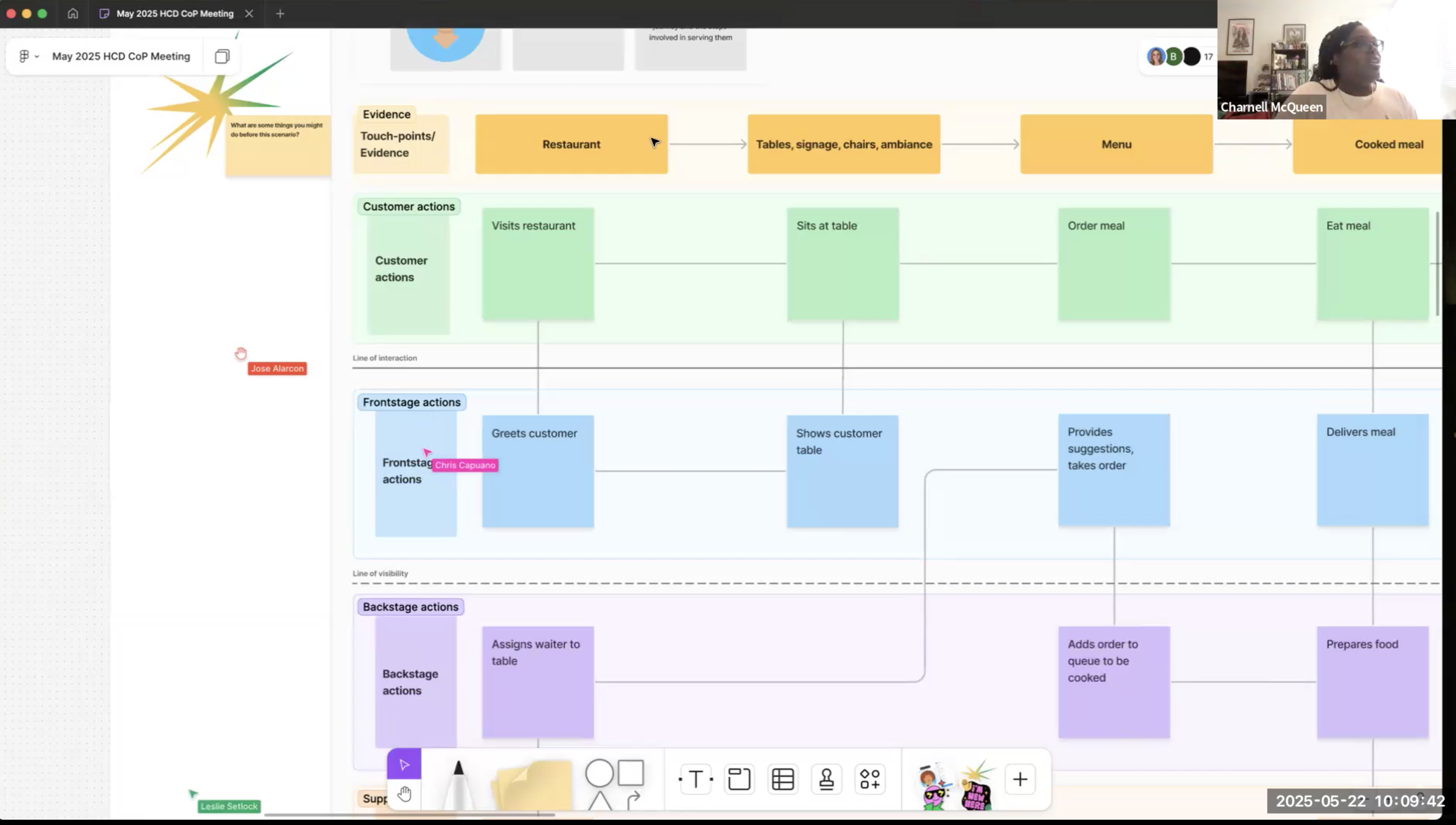
May 2025 CoP
May 2025’s Community of Practice Meeting was about Service Design and how folks can apply it to their practice in the Medicaid and CHIP space.