

Project Overview
My Role: UX and UI Designer, Information Architect
Timeline: March - June 2020
The Challenge
Tools Used: Figma and FigJam
During the emerging COVID-19 pandemic, I led the urgent design challenge at Infuse: creating one of the first corporate health monitoring tools. The challenge was how we enable managers to track and prioritize employee health risks while ensuring privacy. Constraints included a demanding three-month deadline and working without any existing pandemic tracker models for reference. I successfully delivered a pioneering high-fidelity prototype, supported by a complete design system and branding documentation.
Discovery & Define
Operating under a challenging timeline, my research strategy was to ensure all design decisions were grounded in evidence and directly addressed urgent user needs.
Research Methodologies Used
Competitive Analysis - I conducted a deep dive across existing survey, tracking, and interface solutions. The analysis identified market gaps and established opportunities for Infuse to position a unique, privacy-focused solution in the emerging health monitoring space.
Usability Testing - I tested with internal stakeholders, specifically managers and executive leadership. The focus was on optimizing task flow integration to ensure the final product minimized friction and seamlessly integrated into the demanding daily routines of management.
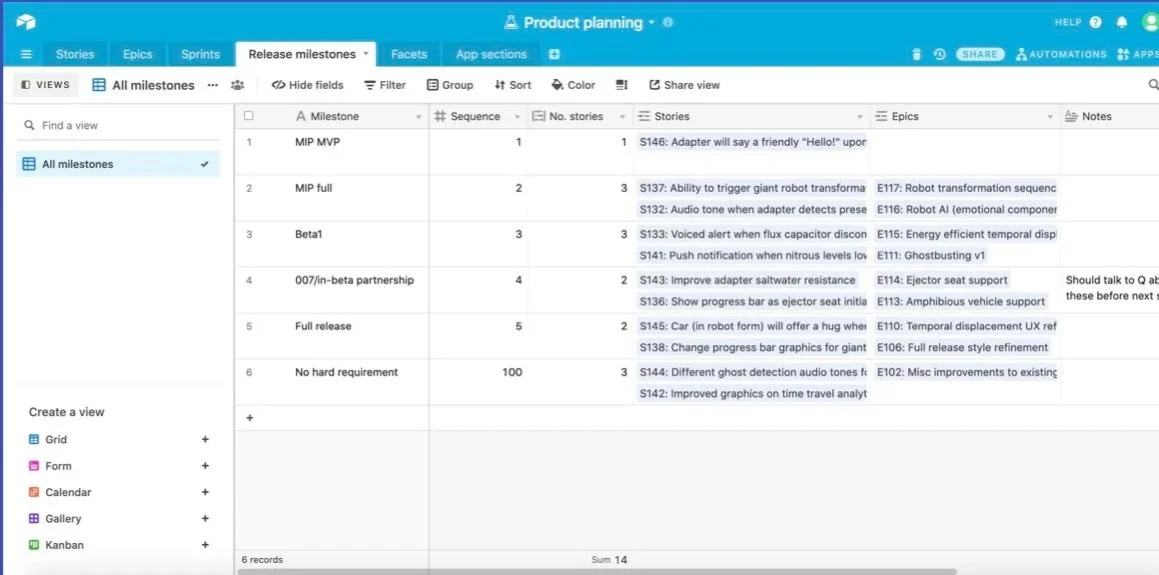
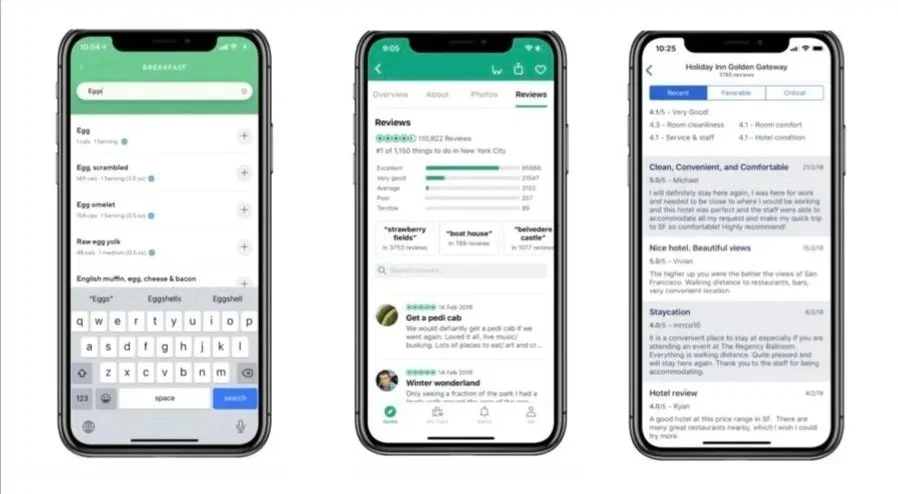
Following the research phase, I launched into a rapid ideation to translate validated insights into structured designs.
Ideation & Design Process
I teamed up with the Project Manager (PM) to map out the full user journey and define exactly what we needed to build (the user stories and success criteria). I then created detailed wireframes and flow diagrams to organize all the complex information, making sure the manager's dashboard was clear, compliant, and prioritized risk quickly. I used the PM's feedback throughout to ensure the final design met all project goals.
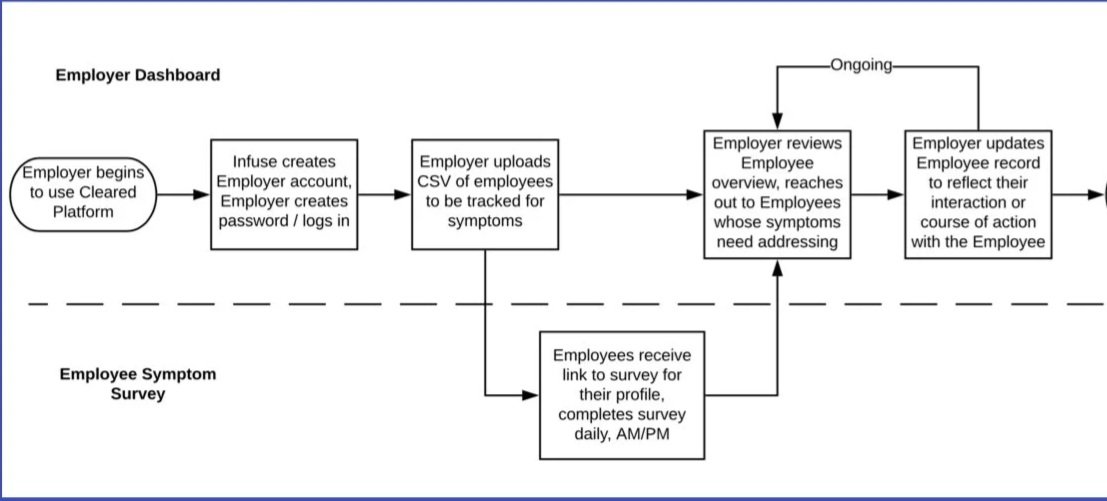
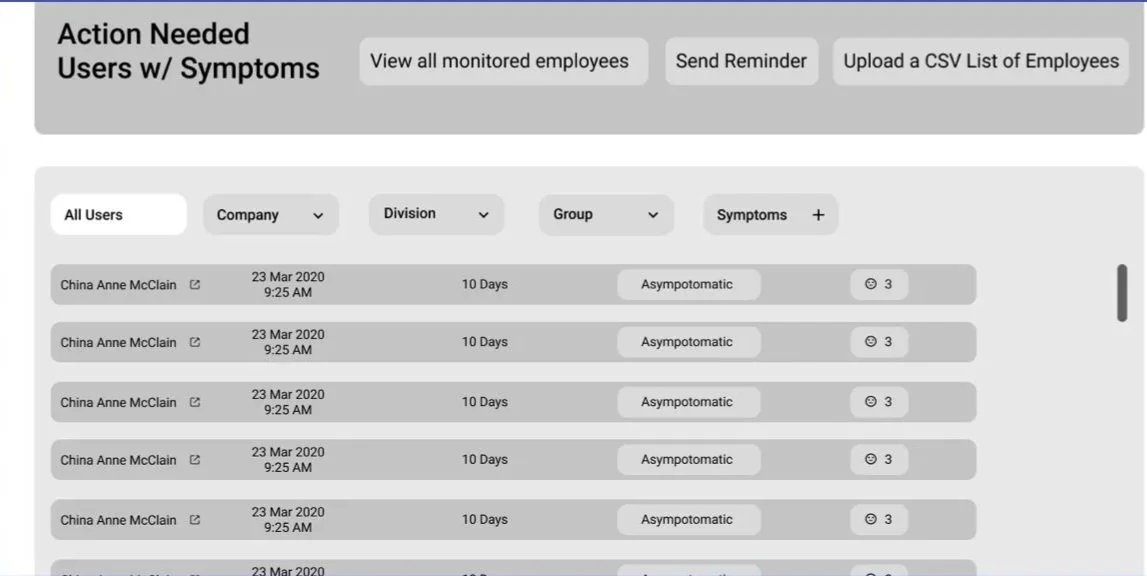
Design & Implementation
Once the core user flows and system architecture were finalized, I transitioned into the final visual design phase. First, I focused on developing the complete Checkpoint branding—defining the color palettes, typography, and logo—to establish the application’s visual foundation.
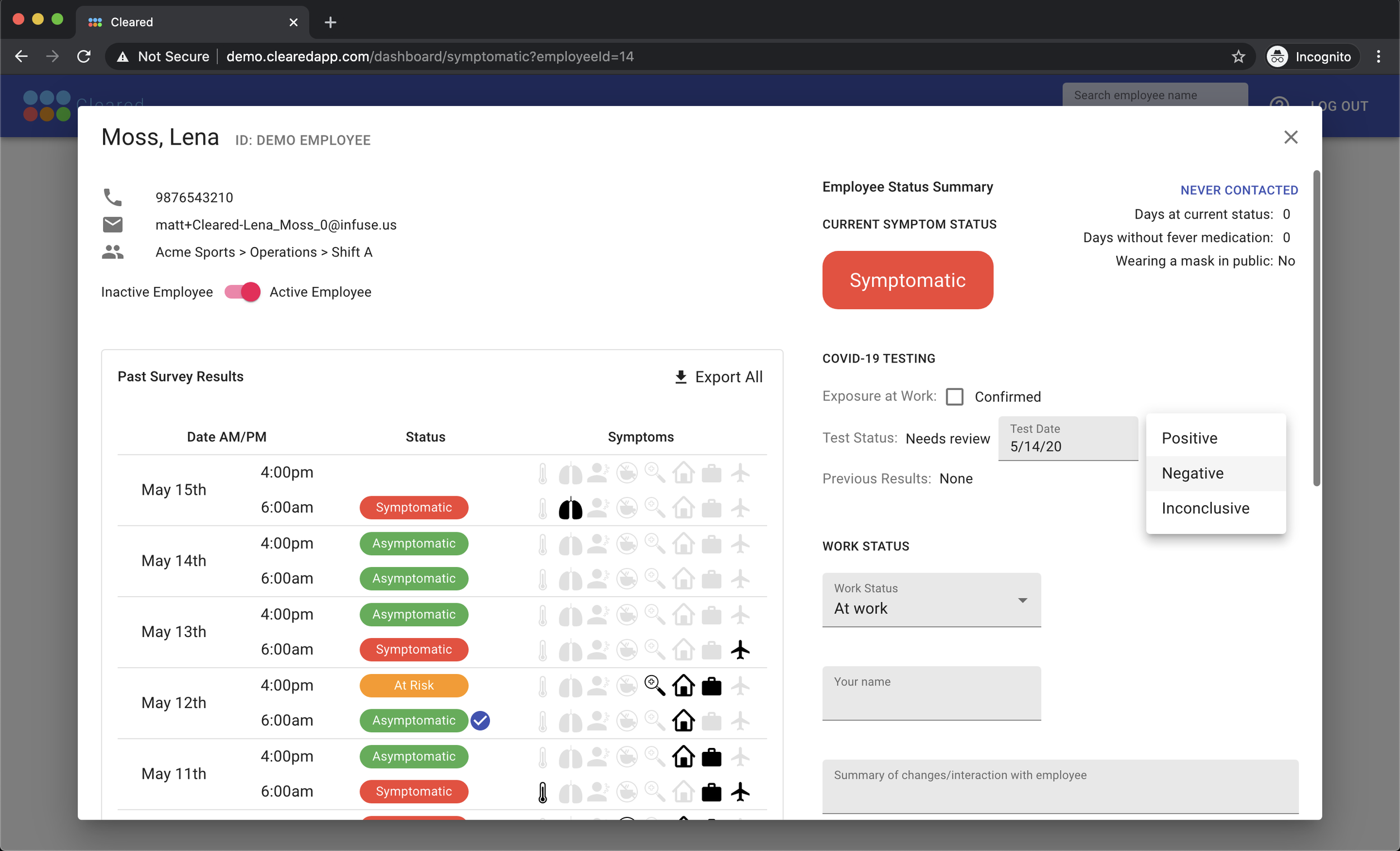
I then built out the high-fidelity designs from the validated wireframes, ensuring pixel-perfect execution across every component. I created two comprehensive, interactive prototypes: one optimized for the mobile employee survey flow and a complex, data-rich version designed for the web-based manager dashboard, allowing stakeholders to fully experience the finalized MVP solution across both intended devices..
Deliver
Facing a tight timeline and zero existing models, my process was quick strategic research, collaborative user flow mapping, and high-fidelity system design.
The final delivery—encompassing a comprehensive design system, full branding, and two cross-platform prototypes was beyond the client’s expectations.